
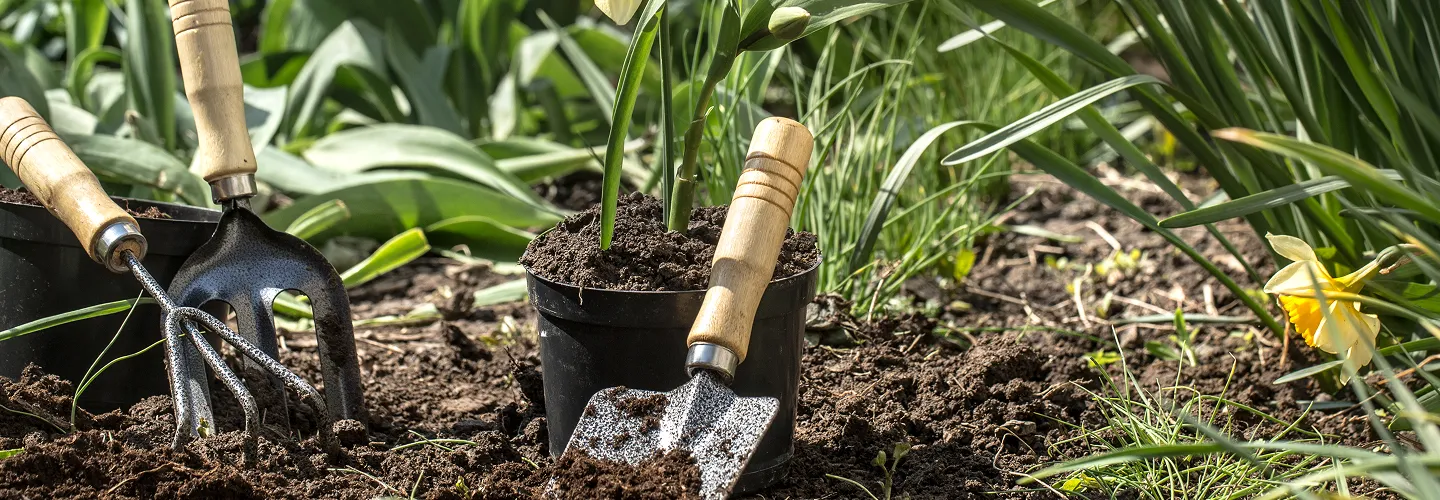
The Hills Flower Bed Maintenance Services
Choose our Flower Bed Maintenance for expert care that keeps your garden healthy, colorful, and thriving all season long—so you can enjoy stunning flower beds without the hassle.
Get a Free QuoteOur The Hills Landscaping & Yard Care Services
When to Schedule Flower Bed Maintenance in The Hills, Texas – Seasonal Guide
In The Hills, Texas, the best times for flower bed maintenance are closely tied to our unique climate and landscape. Spring and early fall are generally optimal, as these seasons offer moderate temperatures and more predictable rainfall, allowing plants to recover from pruning and thrive after fertilization. The local environment, including neighborhoods like Flintrock Falls and the areas surrounding Lake Travis, features a mix of shaded lots and sun-drenched slopes, which can influence when and how often maintenance is needed.
Key environmental factors such as late winter frost dates, periods of summer drought, and the region’s alkaline clay soils all play a role in determining the right maintenance schedule. Homeowners should also consider the impact of humidity, shade from mature oaks, and municipal watering restrictions. For more information on local climate and gardening resources, visit the official town website.
Local Factors to Consider for Flower Bed Maintenance in The Hills
- Tree density and shade coverage from live oaks and cedar elms
- Soil type, especially areas with heavy clay or limestone
- Seasonal precipitation patterns and drought risk
- Terrain variations, including sloped yards and drainage
- Municipal watering schedules and restrictions
- Proximity to landmarks like The Hills Country Club or Lake Travis
Benefits of Flower Bed Maintenance in The Hills
Enhanced Curb Appeal
Weed and Pest Prevention
Healthier Plant Growth
Seasonal Color Variety
Professional Landscaping Expertise
Increased Property Value
The Hills Flower Bed Maintenance Types

Seasonal Flower Planting
-
Weed Control Services
-
Mulching and Soil Conditioning
-
Pruning and Deadheading
-
Fertilization Programs
-
Pest and Disease Management
-
Edging and Bed Redefining
Our Flower Bed Maintenance Process
Site Evaluation
Weed Removal
Soil Preparation
Plant Care
Mulching
Why Choose The Hills Landscape Services
The Hills Homeowners Trust Us
-
Comprehensive Lawn Maintenance
-
Reliable Seasonal Cleanups
-
Expert Tree and Shrub Care
-
Efficient Irrigation Solutions
-
Competitive Pricing
-
Professional and Courteous Team
-
Satisfaction Guarantee
Soil Series and Drainage Considerations for Flower Beds in The Hills
The Hills, TX is characterized by Vertisols and Mollisols, including the Houston Black clay series, which are known for their high clay content and poor drainage. These soils typically have a pH range of 7.5-8.2 and can become compacted, affecting root development and water infiltration. For optimal flower bed maintenance, it is recommended to incorporate 2-3 inches of compost tilled to a 6-inch depth and to conduct a soil test through the Texas A&M AgriLife Extension (typical cost: $15-25). Key soil management steps include:
- Annual core aeration to a depth of 3 inches
- Lime application only if pH falls below 6.0 (rare in The Hills)
- Raised beds for improved drainage in low-lying areas
- Avoiding heavy equipment on wet soils to prevent compaction
Texas A&M AgriLife Extension
600 John Kimbrough Blvd, College Station, TX 77843
Phone: (979) 845-4747
Official Website: Texas A&M AgriLife Extension
Seasonal Timing and Climate Factors for Flower Bed Maintenance in The Hills
The Hills is located in USDA Hardiness Zone 8b, with average annual minimum temperatures of 15-20°F. The optimal planting window for most perennial and annual flowers is March 1 to April 15, when soil temperatures reach 55°F. Fall maintenance, including mulching and perennial division, should be completed by October 31 to avoid frost damage. The National Weather Service Austin/San Antonio office provides local forecasts and frost advisories (NWS Austin/San Antonio). Recommended timing for key tasks:
- Spring planting: March 1 – April 15
- Mulching: Early March and late October
- Fertilization: Early April and late September
- Pruning: After last frost (typically mid-March)
Monitoring local weather conditions is essential for scheduling maintenance and protecting sensitive species from late frosts.
Municipal Regulations and Debris Disposal Protocols in The Hills
Flower bed maintenance in The Hills must comply with local ordinances regarding equipment operation and organic debris disposal. Equipment may be operated:
- Monday-Friday: 7:00 AM – 7:00 PM
- Saturday: 8:00 AM – 6:00 PM
- Sunday and holidays: Prohibited Organic debris, including plant clippings and mulch, must be placed in biodegradable bags or 32-gallon reusable bins for curbside collection every Thursday, April through November. Branches over 4 inches in diameter are not accepted. For large-scale projects, a permit may be required for debris removal or temporary street access. Coordination with the Department of Public Works ensures compliance with city standards.
City of Austin Transportation & Public Works
505 Barton Springs Road, Austin, TX 78704
Phone: (512) 974-7065
Official Website: City of Austin Transportation & Public Works
Environmental Compliance: Stormwater and Buffer Zone Requirements in The Hills
The Hills is subject to MS4 stormwater regulations under the Clean Water Act and the Texas Water Code. It is prohibited to allow soil, mulch, or plant debris to enter storm drains or local waterways. Properties adjacent to Barton Creek or designated wetlands must maintain a 25-foot no-disturbance buffer, and fertilizer application is restricted within 50 feet of water bodies. The Texas Commission on Environmental Quality enforces these standards. Compliance steps include:
- Use of silt fences or straw wattles during bed renovation
- Immediate cleanup of spilled soil or mulch from paved surfaces
- No fertilizer or pesticide application within buffer zones
- Weekly inspection of erosion controls during rainy periods
Texas Commission on Environmental Quality
12100 Park 35 Circle, Austin, TX 78753
Phone: (512) 239-1000
Official Website: Texas Commission on Environmental Quality
Plant Selection and Native Species Recommendations for The Hills Flower Beds
Selecting species adapted to The Hills’s alkaline, clay-rich soils and Zone 8b climate is essential for sustainable flower bed maintenance. Recommended species include:
- Full sun: Black-eyed Susan (Rudbeckia hirta), purple coneflower (Echinacea purpurea), daylily (Hemerocallis spp.)
- Partial shade: Coral bells (Heuchera americana), Turk’s cap (Malvaviscus arboreus), hosta (Hosta spp.)
- Deer resistant: Russian sage (Perovskia atriplicifolia), salvia (Salvia greggii), lavender (Lavandula angustifolia)
- Native options: Winecup (Callirhoe involucrata), Texas bluebonnet (Lupinus texensis), cardinal flower (Lobelia cardinalis) Spacing should be 18-24 inches for perennials to ensure air circulation and reduce disease risk. For further guidance, consult the Texas A&M AgriLife Extension plant selection resources.
What Neighborhoods Do We Serve Throughout The Hills, TX?
- The Hills Country Club Estates: Features mature landscaping and heavy clay soils, requiring raised beds and careful drainage management for flower beds.
- Flintrock Falls: Known for sloped lots and proximity to Barton Creek, necessitating erosion control and strict buffer zone compliance.
- The Hills of Lakeway: Contains newer developments with compacted fill soils and HOA landscaping standards that influence plant selection and maintenance schedules.
- Village of The Hills: Characterized by smaller lots, established tree canopies, and limited equipment access, making hand tools and low-noise equipment preferable.
- Lakeway Highlands: Located near conservation areas, with periodic wildlife pressure and additional restrictions on fertilizer and pesticide use.
- Ridge at The Hills: Features larger properties with mixed sun and shade, requiring diverse plant palettes and attention to irrigation efficiency.
- Hurst Creek Estates: Adjacent to water bodies, subject to enhanced stormwater controls and 25-foot wetland buffer requirements for all landscape work.