
The Hills Hedging Services
Choose our expert hedging services for precision, reliability, and lush, healthy hedges that elevate your property's privacy and curb appeal year-round.
Get a Free QuoteOur The Hills Landscaping & Yard Care Services
When to Schedule Hedging in The Hills, Texas – Seasonal Guide
In The Hills, Texas, timing your hedging services is crucial for maintaining healthy, attractive landscapes. The region’s unique blend of rolling terrain, limestone-rich soils, and microclimates—especially near neighborhoods like Flintrock Falls and The Hills Country Club—means that optimal hedging windows differ from other parts of Central Texas. Generally, late winter to early spring is ideal, just after the last frost but before new growth begins. This allows shrubs and hedges to recover quickly and flourish as temperatures rise.
Local environmental factors such as unpredictable spring rainfall, summer drought risk, and varying shade coverage from mature oaks and elms all play a role in determining the best time for hedging. Homeowners should also consider municipal guidelines and water restrictions, which can impact when and how often maintenance is performed. For more information on local regulations, visit the Town of Sudbury’s official site.
Local Factors to Consider for Hedging in The Hills
- Tree density and shade coverage, especially in areas near Lakeway Boulevard
- Soil type and drainage, which affect root health and regrowth
- Seasonal precipitation patterns and drought risk
- Frost dates and temperature fluctuations
- Municipal restrictions or HOA guidelines on landscape maintenance
- Terrain and accessibility for equipment
Benefits of Hedging in The Hills
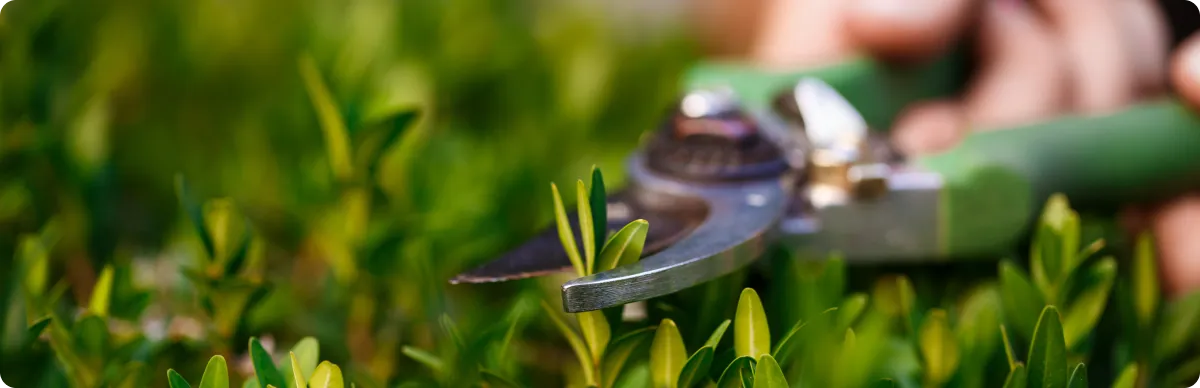
Expert Hedge Shaping
Enhanced Property Privacy
Improved Curb Appeal
Pest and Disease Control
Seasonal Maintenance Plans
Eco-Friendly Landscaping Solutions
The Hills Hedging Types

Boxwood Hedges
-
Privet Hedges
-
Lilly Pilly Hedges
-
Photinia Hedges
-
Murraya Hedges
-
Viburnum Hedges
-
Pittosporum Hedges
Our Hedging Process
Consultation and Planning
Site Preparation
Precision Trimming
Cleanup and Inspection
Why Choose The Hills Landscape Services
The Hills Homeowners Trust Us
-
Comprehensive Lawn Maintenance
-
Reliable Seasonal Cleanups
-
Expert Tree and Shrub Care
-
Efficient Irrigation Solutions
-
Competitive Pricing
-
Professional and Courteous Team
-
Satisfaction Guarantee
Hedging Practices for The Hills’s Expansive Clay Soils and Drainage Patterns
Hedging in The Hills requires careful consideration of the city’s predominant Houston Black clay soils, which are characterized by high shrink-swell capacity, poor drainage, and alkaline pH levels (7.5-8.2). These conditions can lead to root compaction and waterlogging, especially in low-lying areas. When establishing or maintaining hedges, it is recommended to incorporate 2-3 inches of compost tilled to a 6-inch depth to improve soil structure and drainage. Soil testing through Texas A&M AgriLife Extension (typical cost: $15-25) is advised to determine amendment needs. Select hedge species tolerant of heavy clay, such as yaupon holly (Ilex vomitoria) or wax myrtle (Morella cerifera). Maintain a 25-foot buffer from wetlands and drainageways to comply with local stormwater management requirements. For detailed soil mapping, consult the USDA Web Soil Survey.
Texas A&M AgriLife Extension
1470 William D. Fitch Pkwy, College Station, TX 77845
Phone: (979) 845-3849
Official Website: Texas A&M AgriLife Extension
Municipal Coordination and Debris Disposal for Hedging in The Hills
Proper disposal of hedge trimmings and green waste is regulated by The Hills’s municipal programs. Weekly yard waste collection is typically scheduled for Thursdays, April through November. Accepted materials include leaves, grass, and brush under 4 feet in length, placed in biodegradable bags or reusable bins (32-gallon maximum). Plastic bags and branches over 4 inches in diameter are prohibited. Residents must avoid placing debris in storm drains to comply with the city’s MS4 permit under the Clean Water Act. For large-scale hedge removals, a debris disposal permit may be required, with a standard review time of 5-10 business days and a typical fee of $25-50. For up-to-date collection schedules and permit applications, contact:
Department of Public Works
1206 Coyote Trail, The Hills, TX 78738
Phone: (512) 261-6281
Official Website: Department of Public Works
Equipment Operation Hours and Safety Standards for Hedging in The Hills
The Hills enforces specific noise and equipment operation ordinances for outdoor maintenance activities, including hedging. Permitted hours for powered hedge trimmers and related equipment are:
- Monday-Friday: 7:00 AM - 7:00 PM
- Saturday: 8:00 AM - 6:00 PM
- Sunday and holidays: Prohibited All operators must use commercial-grade equipment with functioning mufflers, and noise levels must not exceed 85 decibels at property lines. Personal protective equipment (PPE) is mandatory, including ANSI Z87.1 safety glasses, hearing protection for noise above 85 dB, steel-toed boots, and cut-resistant gloves. When working within 15 feet of public roads or utilities, high-visibility vests and traffic cones are required. For questions on compliance and enforcement, contact:
Code Enforcement
1206 Coyote Trail, The Hills, TX 78738
Phone: (512) 261-6281
Official Website: Code Enforcement
Environmental Compliance: Stormwater and Buffer Zone Regulations in The Hills
Hedging activities in The Hills must comply with local and state environmental regulations to protect water quality and sensitive habitats. The city’s MS4 permit, administered under the Texas Water Code and Clean Water Act, prohibits the discharge of green waste, soil, or chemicals into storm drains. Maintain a minimum 25-foot no-disturbance buffer from wetlands, streams, and designated conservation areas. Fertilizer and pesticide applications are restricted within 50 feet of water bodies. For guidance on buffer requirements and reporting potential violations, coordinate with:
Austin Environmental Commission
301 W 2nd St, Austin, TX 78701
Phone: (512) 974-2200
Official Website: Austin Environmental Commission
For state-level stormwater and environmental compliance, refer to:
Texas Commission on Environmental Quality
12100 Park 35 Circle, Austin, TX 78753
Phone: (512) 239-1000
Official Website: Texas Commission on Environmental Quality
Optimal Hedging Timing and Climate Considerations for The Hills (USDA Zone 8b)
The Hills is located in USDA Hardiness Zone 8b, with average annual minimum temperatures of 15-20°F and a growing season from mid-March to late November. Optimal timing for major hedge pruning is late winter (February 15 - March 15) before new growth emerges, and light shaping can be performed again in late summer (August 15 - September 15). Avoid heavy pruning during June-August to reduce heat stress and water loss. Monitor local weather forecasts through the National Weather Service Austin/San Antonio Office for frost advisories and rainfall events. For species-specific timing and climate adaptation, consult:
National Weather Service Austin/San Antonio
2090 Airport Rd, New Braunfels, TX 78130
Phone: (830) 606-3617
Official Website: National Weather Service
What Neighborhoods Do We Serve Throughout The Hills, TX?
- The Hills of Lakeway: Features mature landscapes with dense tree cover and heavy clay soils, requiring careful drainage management and species selection for hedging.
- Flintrock Falls: Known for newer developments and expansive lots, this area often faces soil compaction and HOA guidelines that influence hedge height and placement.
- Village of The Hills: Characterized by established properties, moderate slopes, and proximity to golf courses, necessitating attention to runoff and buffer zones.
- Ridge at Alta Vista: Elevated terrain with rocky outcrops and shallow soils, presenting challenges for root establishment and irrigation during dry periods.
- Lakeway Highlands: Located near water bodies and conservation areas, this neighborhood requires strict adherence to buffer regulations and stormwater controls.
- Serene Hills: Features a mix of clay and limestone soils, with seasonal drainage issues and access limitations for large equipment.
- Rough Hollow: Includes properties adjacent to protected greenbelts, where native species and wildlife considerations are prioritized in hedging plans.