
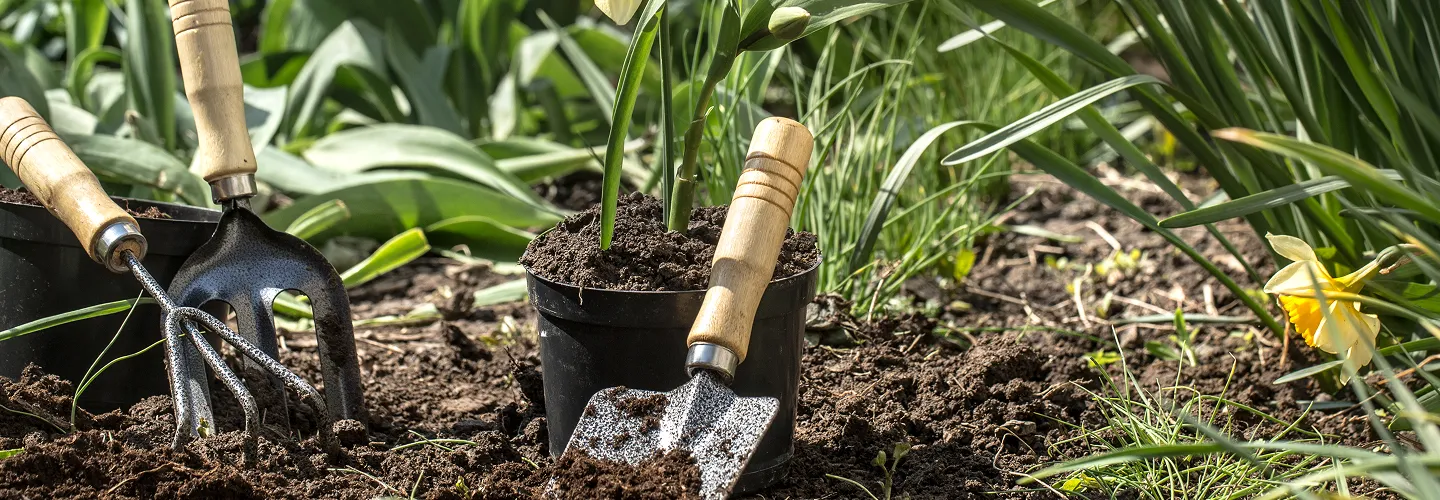
The Hills Fertilizing Lawn Services
Choose our Fertilizing Lawn service for lush, healthy grass all season long—our expert care ensures your yard stands out with vibrant color, resilience, and lasting beauty.
Get a Free QuoteOur The Hills Landscaping & Yard Care Services
When to Schedule Fertilizing Lawn in The Hills, Texas – Seasonal Guide
Fertilizing your lawn in The Hills, Texas, requires careful timing to ensure lush, healthy turf throughout the year. Due to our region’s unique blend of warm summers, mild winters, and periodic drought conditions, the best times to fertilize are typically in early spring—after the last frost—and again in early fall, when temperatures begin to cool but before the first cold snap. Neighborhoods near Lake Travis and along The Hills Country Club often experience microclimates, with shaded lots and varying soil types that can influence the ideal fertilization schedule.
Local environmental factors such as the risk of late spring frosts, periods of high humidity, and the prevalence of clay-heavy soils all play a role in determining the right time to fertilize. Homeowners should also consider municipal watering restrictions and the impact of tree canopy coverage, especially in areas like Flintrock Falls or near the Sudbury community center, where shade and terrain can affect nutrient uptake. Consulting with a local expert ensures your lawn care plan is tailored to the specific needs of your property.
Local Factors to Consider for Fertilizing Lawn in The Hills
- Tree density and shade coverage, especially in established neighborhoods
- Soil composition (clay, loam, or sandy soils)
- Average precipitation and drought risk
- Frost dates and seasonal temperature swings
- Terrain and drainage patterns
- Municipal watering and fertilization restrictions
Benefits of Fertilizing Lawn in The Hills
Enhanced Lawn Health
Improved Grass Growth
Weed and Pest Resistance
Greener and Thicker Turf
Professional Landscaping Expertise
Customized Fertilization Plans
The Hills Fertilizing Lawn Types

Cool-Season Grasses
-
Warm-Season Grasses
-
Drought-Tolerant Lawns
-
Shade-Tolerant Lawns
-
High-Traffic Lawns
-
Ornamental Turf
-
Eco-Friendly Lawns
Our Fertilizing Lawn Process
Soil Analysis
Fertilizer Selection
Application Scheduling
Even Fertilizer Distribution
Post-Application Inspection
Why Choose The Hills Landscape Services
The Hills Homeowners Trust Us
-
Comprehensive Lawn Maintenance
-
Reliable Seasonal Cleanups
-
Expert Tree and Shrub Care
-
Efficient Irrigation Solutions
-
Competitive Pricing
-
Professional and Courteous Team
-
Satisfaction Guarantee
Soil Series and Fertilizer Application Challenges in The Hills’s Blackland Prairie
The Hills, TX, is situated within the Blackland Prairie region, where Houston Black clay and Burleson clay are the predominant soil series according to the USDA Web Soil Survey. These soils are characterized by high clay content, poor drainage, and a tendency for compaction, which can impede nutrient uptake and root development. Soil pH typically ranges from 7.5 to 8.2, requiring careful selection of fertilizer formulations and possible sulfur amendments to optimize nutrient availability. For best results, core aeration to a depth of 2-3 inches is recommended prior to fertilization, especially in compacted areas. Soil testing through Texas A&M AgriLife Extension is advised (typical cost: $15-25) to determine nutrient needs and pH adjustments. Incorporate compost at 2-3 inches depth to improve structure and drainage.
Texas A&M AgriLife Extension
17360 Coit Road, Dallas, TX 75252
Phone: (972) 952-9200
Official Website: Texas A&M AgriLife Extension
Seasonal Fertilization Timing and Weather Considerations for The Hills Lawns
The Hills falls within USDA Hardiness Zone 8b, with average annual minimum temperatures of 15-20°F and a long growing season. Optimal fertilization windows for cool-season grasses are early May (soil temperature 55°F) and late September, while warm-season grasses such as bermudagrass benefit from applications in late April and again in mid-June. Avoid fertilizing during peak summer (July-August) to prevent heat stress and nutrient runoff. Monitor local weather forecasts through the National Weather Service Austin/San Antonio Office to avoid applying fertilizer before heavy rainfall, which can increase the risk of runoff into local creeks and Lake Austin.
- Spring fertilization: April 15 - May 15
- Summer fertilization: June 10 - June 30 (warm-season only)
- Fall fertilization: September 15 - October 15
- Avoid: July-August (heat stress period)
Municipal Coordination and Fertilizer Use Ordinances in The Hills
Fertilizer application in The Hills is subject to municipal ordinances designed to protect local water bodies and comply with MS4 stormwater permit requirements under the Clean Water Act. The city prohibits fertilizer application within 50 feet of streams, wetlands, and storm drains, and mandates a 25-foot no-disturbance buffer from protected areas. Equipment operation for lawn care is permitted:
- Monday-Friday: 7:00 AM - 7:00 PM
- Saturday: 8:00 AM - 6:00 PM
- Sunday and holidays: Prohibited All fertilizer containers must be stored securely to prevent spills. The Department of Public Works oversees compliance and provides guidance on local ordinances.
City of Austin Transportation & Public Works
505 Barton Springs Road, Austin, TX 78704
Phone: (512) 974-7065
Official Website: City of Austin Transportation & Public Works
Environmental Compliance: State and Federal Fertilizer Regulations in The Hills
The Hills must comply with state and federal environmental regulations governing fertilizer use, including the Texas Water Code and Clean Water Act. The Texas Commission on Environmental Quality (TCEQ) enforces MS4 stormwater permit requirements, which prohibit fertilizer runoff into storm drains and local waterways. Application of phosphorus-containing fertilizers is restricted near water bodies, and all spills must be reported immediately. Maintain a 25-foot buffer from wetlands and a 50-foot setback from streams. For further guidance, consult TCEQ and the EPA Region 6 office.
Texas Commission on Environmental Quality (TCEQ)
12100 Park 35 Circle, Austin, TX 78753
Phone: (512) 239-1000
Official Website: Texas Commission on Environmental Quality
EPA Region 6
1201 Elm Street, Suite 500, Dallas, TX 75270
Phone: (214) 665-2200
Official Website: EPA Region 6
Professional Standards and Safety Protocols for Fertilizer Application in The Hills
Professional lawn fertilization in The Hills requires adherence to safety and equipment standards. Operators must use commercial-grade spreaders calibrated for accurate application rates (2-3 lbs nitrogen per 1,000 sq ft annually) and maintain a 15-foot clearance from storm drains and water bodies. Personal protective equipment (PPE) is mandatory:
- Eye protection: ANSI Z87.1 safety glasses
- Hearing protection: Earmuffs or plugs for 85+ dB noise
- Gloves: Chemical-resistant
- Footwear: Non-slip, closed-toe All personnel must be trained in spill response and proper storage of chemicals. Equipment must be cleaned on impervious surfaces away from drainage areas. The city’s Environmental Commission provides additional guidance on best practices.
Austin Environmental Commission
301 W. 2nd Street, Austin, TX 78701
Phone: (512) 974-2200
Official Website: Austin Environmental Commission
What Neighborhoods Do We Serve Throughout The Hills, TX?
- The Hills of Lakeway: Features dense residential development with compacted clay soils and moderate slopes, requiring careful fertilizer application to prevent runoff into Lake Travis.
- Flintrock Falls: Characterized by newer construction, larger lots, and a mix of clay and limestone-derived soils, with HOA guidelines influencing fertilizer timing and application methods.
- Hurst Creek Estates: Proximity to Hurst Creek and protected riparian buffers necessitates strict adherence to setback requirements and runoff prevention measures.
- Village of The Hills: Older neighborhoods with mature landscaping and established turf, often facing soil compaction and drainage challenges that impact nutrient uptake.
- The Enclave at The Hills: Gated community with smaller lots and higher density, requiring precise fertilizer application to avoid over-application and comply with HOA standards.
- Watersmark at The Hills: Located near sensitive water features, this area demands extra caution to prevent fertilizer migration into wetlands and stormwater systems.
- Hillside on Lakeway: Elevated terrain with variable drainage and exposure, necessitating site-specific fertilizer strategies and erosion control measures.