
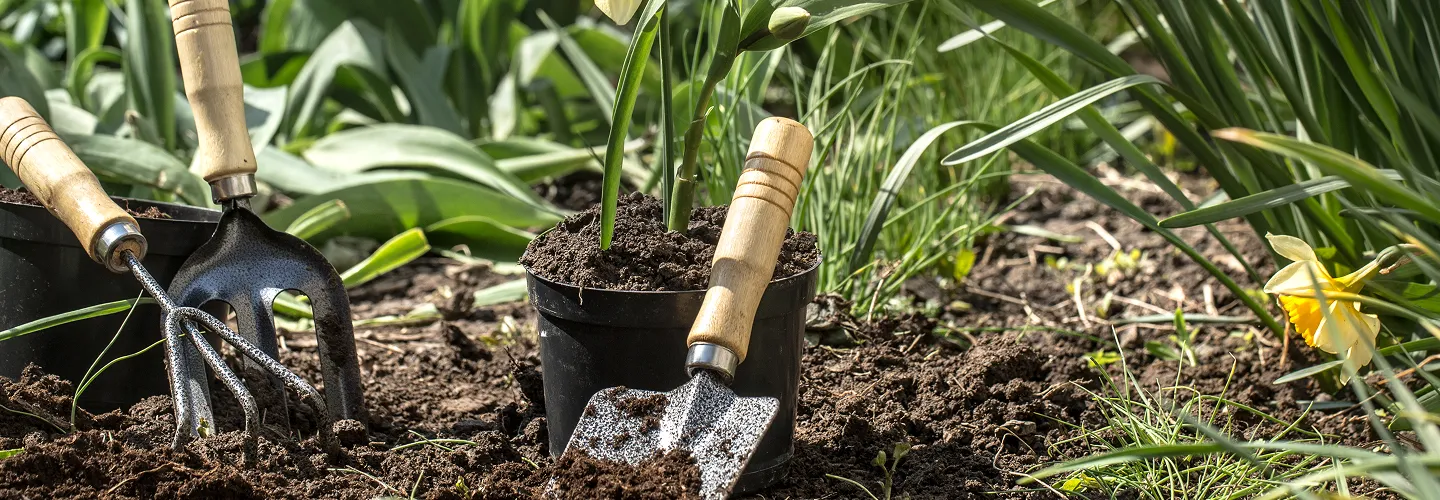
The Hills Weeding Services
Choose us for reliable, thorough weeding that keeps your garden beautiful and weed-free—our experienced team ensures your outdoor spaces stay healthy, vibrant, and easy to maintain all season long.
Get a Free QuoteOur The Hills Landscaping & Yard Care Services
When to Schedule Weeding in The Hills, Texas – Seasonal Guide
In The Hills, Texas, timing your weeding services is crucial for maintaining a healthy and attractive landscape. The region’s unique blend of warm summers, mild winters, and periodic droughts means that the best times for weeding are typically in early spring and late fall. These periods avoid the peak summer heat and allow for more effective weed removal before seeds can spread. Neighborhoods near Lake Travis and the Barton Creek Greenbelt often experience microclimates, with shaded areas and varying soil types that can influence weed growth patterns.
Local environmental factors such as late spring frost dates, high humidity during summer, and the prevalence of rocky, alkaline soils all play a role in determining the optimal weeding schedule. Homeowners in areas like The Hills Country Club or along Lohmans Crossing should also consider municipal guidelines and water restrictions, which can impact when and how often landscaping services are performed. For more information on local regulations, visit the Town of Sudbury’s official site.
Local Factors to Consider for Weeding in The Hills
- Tree density and shade coverage, especially in neighborhoods with mature oaks and elms
- Terrain and soil type, including rocky slopes and clay-rich areas
- Seasonal precipitation patterns and drought risk
- Frost dates and temperature fluctuations
- Municipal restrictions on landscaping and water usage
Benefits of Weeding in The Hills
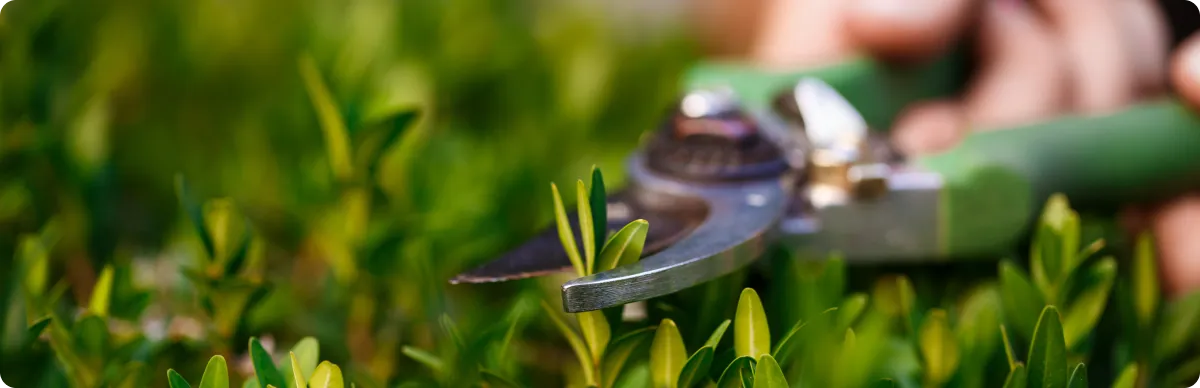
Improved Plant Health
Enhanced Curb Appeal
Reduced Pest Infestation
Promotes Lawn Growth
Prevents Weed Spread
Eco-Friendly Landscaping
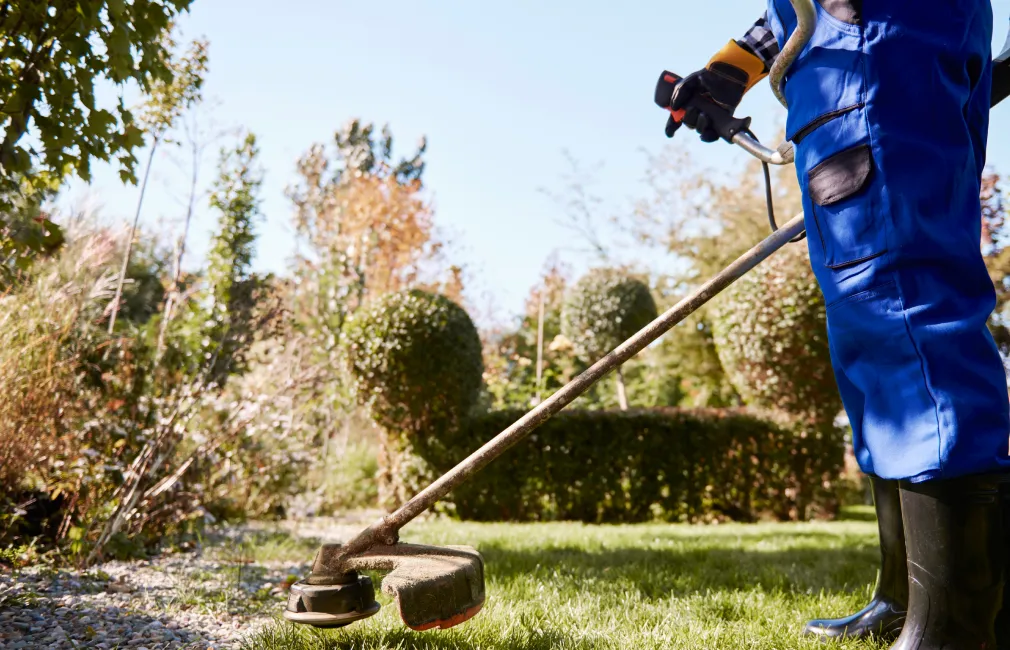
The Hills Weeding Types

Hand Weeding
-
Chemical Weed Control
-
Mulching for Weed Suppression
-
Mechanical Weeding
-
Flame Weeding
-
Soil Solarization
-
Organic Weed Management
Our Weeding Process
Site Evaluation
Weed Identification
Targeted Removal
Soil Treatment
Final Inspection
Why Choose The Hills Landscape Services
The Hills Homeowners Trust Us
-
Comprehensive Lawn Maintenance
-
Reliable Seasonal Cleanups
-
Expert Tree and Shrub Care
-
Efficient Irrigation Solutions
-
Competitive Pricing
-
Professional and Courteous Team
-
Satisfaction Guarantee
Soil Series and Drainage Considerations for Weeding in The Hills
The Hills, TX is characterized by Vertisols and Mollisols, including the Houston Black clay series, which are known for their high clay content and poor drainage. These soils often exhibit pH values ranging from 7.2 to 8.0, requiring careful selection of soil amendments for optimal weed management. Compacted soils in developed neighborhoods can further impede water infiltration, making manual and mechanical weeding more challenging. For best results, incorporate compost at a rate of 2-3 inches tilled to a 6-inch depth and consider lime application only if pH falls below 6.0, as verified by a soil test through Texas A&M AgriLife Extension. Regular soil testing (15-25 cost) is recommended to guide amendment strategies. Research local soil series using the USDA Web Soil Survey to tailor weeding practices to specific site conditions.
Seasonal Timing and Weather Guidance for Effective Weeding in The Hills
Weeding in The Hills should be scheduled according to the region’s USDA Hardiness Zone 8b, with optimal removal periods in early spring (March 1 - April 15) and late fall (October 15 - November 30). Soil temperatures between 55°F and 75°F are ideal for both manual and chemical weed control, as root systems are most vulnerable during these windows. Avoid weeding during peak summer (June-August) due to heat stress and rapid weed regrowth. Monitor local weather forecasts through the National Weather Service Austin/San Antonio Office to plan operations around rainfall events, as saturated soils can increase compaction and reduce effectiveness. Key timing recommendations include:
- Spring weeding: March 1 - April 15
- Fall weeding: October 15 - November 30
- Avoid: June-August (heat stress, rapid regrowth)
- Soil temperature target: 55°F-75°F
Municipal Ordinances and Collection Protocols for Yard Waste in The Hills
The Hills enforces specific regulations for yard waste collection and disposal to ensure environmental compliance and community standards. Yard waste, including weeds and brush under 4 feet, is collected weekly on Thursdays from April through November. Residents must use biodegradable bags or reusable bins (32-gallon maximum); plastic bags and branches over 4 inches in diameter are prohibited. Equipment operation for weeding is permitted:
- Monday-Friday: 7:00 AM - 7:00 PM
- Saturday: 8:00 AM - 6:00 PM
- Sunday and holidays: Prohibited Violations of these ordinances may result in fines. For detailed collection schedules and compliance requirements, coordinate with the Department of Public Works.
Department of Public Works
1206 Hillcrest Drive, The Hills, TX 78738
Phone: (512) 261-6281
Official Website: Department of Public Works
Environmental Compliance: Stormwater, Buffer Zones, and State Regulations
Weeding activities in The Hills must comply with local and state environmental regulations to protect water quality and sensitive habitats. The city’s MS4 permit, administered under the Clean Water Act, prohibits the disposal of yard waste and soil in storm drains. Maintain a 25-foot no-disturbance buffer from wetlands and water bodies, and avoid fertilizer or herbicide application within 50 feet of these areas. The Texas Commission on Environmental Quality (TCEQ) oversees stormwater management and enforces the Texas Water Code. For technical guidance on buffer zones and stormwater compliance, consult the city’s Environmental Commission.
Austin Environmental Commission
301 W 2nd Street, Austin, TX 78701
Phone: (512) 974-2200
Official Website: Austin Environmental Commission
Texas Commission on Environmental Quality
12100 Park 35 Circle, Austin, TX 78753
Phone: (512) 239-1000
Official Website: Texas Commission on Environmental Quality
Professional Standards and Safety Protocols for Weeding Operations in The Hills
All weeding operations in The Hills must adhere to municipal safety standards and equipment regulations. Operators are required to use commercial-grade tools with functioning mufflers, and noise levels must not exceed 85 decibels at property lines. Personal protective equipment (PPE) is mandatory, including:
- Eye protection: ANSI Z87.1 safety glasses
- Hearing protection: Earmuffs or plugs for 85+ dB
- Footwear: Steel-toed boots, non-slip soles
- Gloves: Cut-resistant for manual removal, chemical-resistant for herbicide application Maintain a 15-foot clearance from overhead utilities and public walkways. Equipment must be inspected every 20-25 hours of operation, and all personnel should be trained in safe handling of herbicides per Texas A&M AgriLife Extension guidelines. For further information on municipal safety protocols, contact the Department of Public Works.
What Neighborhoods Do We Serve Throughout The Hills, TX?
- The Hills of Lakeway: Features dense tree cover and Houston Black clay soils, requiring careful drainage management and frequent manual weeding due to shade-tolerant weed species.
- Flintrock Falls: Characterized by newer developments with compacted soils and moderate slopes, necessitating soil amendment and erosion control during weeding operations.
- Hurst Creek Estates: Proximity to Hurst Creek and wetland buffer zones demands strict compliance with stormwater and buffer regulations, especially for properties near water bodies.
- Village of The Hills: Contains smaller lots and mature landscaping, with HOA guidelines influencing acceptable weeding methods and disposal practices.
- The Enclave: Noted for its well-drained soils and open exposures, but subject to wind-driven weed seed dispersal, requiring regular monitoring and prompt removal.
- The Fairways: Adjacent to golf course greenspaces, this area faces unique challenges with invasive species and must coordinate with Parks and Recreation for integrated management.
- Watersmark: Located near conservation areas, this neighborhood enforces additional restrictions on chemical use and mandates native plant preservation during weeding.