
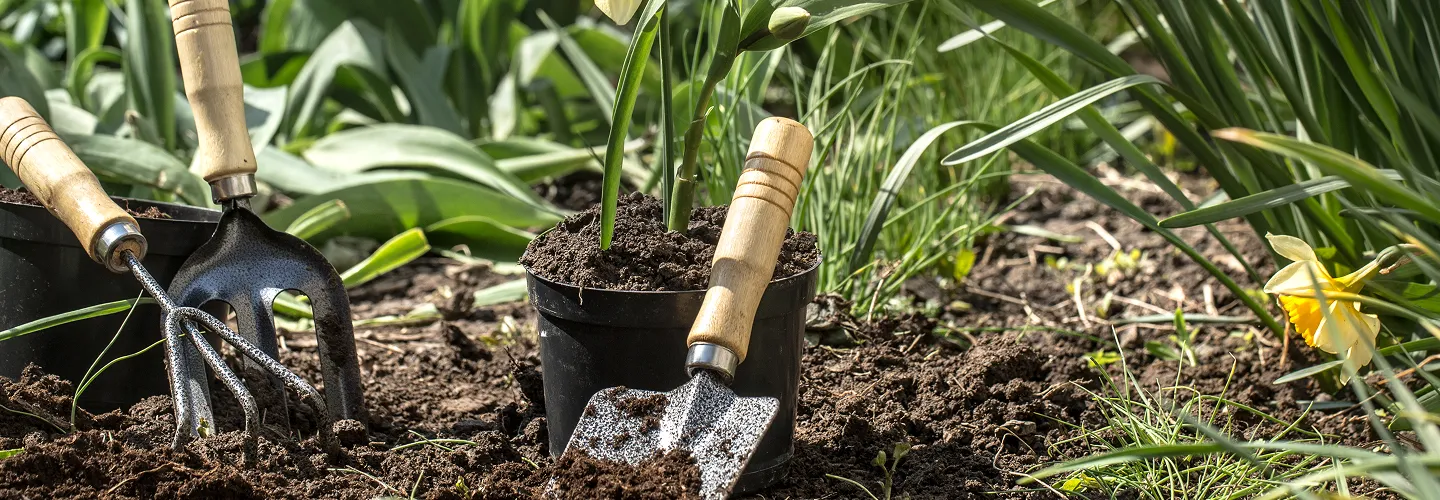
The Hills Plant Removal Services
Choose us for hassle-free plant removal—our experienced team ensures your property is cleared quickly, safely, and with minimal environmental impact, giving you peace of mind and a fresh start for your landscape.
Get a Free QuoteOur The Hills Landscaping & Yard Care Services
When to Schedule Plant Removal in The Hills, Texas – Seasonal Guide
In The Hills, Texas, timing your plant removal is crucial for both the health of your landscape and compliance with local guidelines. The region’s unique blend of rolling terrain, limestone-rich soils, and microclimates—especially near neighborhoods like Flintrock Falls and The Hills Country Club—means that optimal removal windows can vary. Generally, late winter to early spring is ideal, as plants are dormant and the risk of disturbing nesting wildlife is minimal. However, it’s important to consider the last frost date, which typically falls in early March, to avoid exposing your soil to erosion or weed growth.
Local environmental factors such as summer drought risk, high humidity, and dense shade coverage from mature oaks and elms also play a significant role. For example, areas near Lake Travis may experience higher soil moisture, affecting root removal. Additionally, municipal restrictions and HOA guidelines—often detailed on resources like the Town of Sudbury’s website—can influence when and how plant removal is permitted. Consulting with a local expert ensures your project aligns with both seasonal best practices and community standards.
Local Factors to Consider for Plant Removal in The Hills
- Tree density and canopy coverage, especially in established neighborhoods
- Terrain slope and soil composition (limestone, clay, or sandy soils)
- Seasonal precipitation patterns and drought risk
- Local frost dates and temperature fluctuations
- Municipal or HOA restrictions on removal timing and debris disposal
- Proximity to water features like Lake Travis or Barton Creek
Benefits of Plant Removal in The Hills

Expert Landscaping Services
Efficient Plant Removal
Eco-Friendly Disposal Methods
Improved Curb Appeal
Weed and Pest Prevention
Customized Solutions for Your Yard
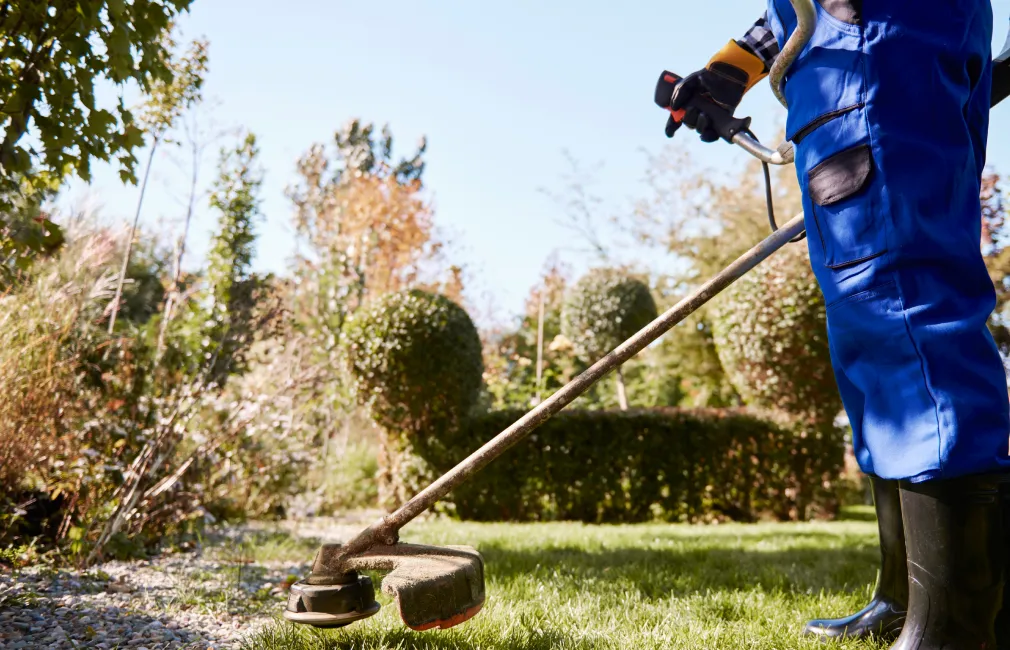
The Hills Plant Removal Types

Tree Removal
-
Shrub and Bush Removal
-
Stump Grinding
-
Invasive Species Removal
-
Weed Eradication
-
Root System Extraction
-
Hedge Clearing
Our Plant Removal Process
Site Evaluation
Preparation and Safety Measures
Plant Extraction
Debris Removal
Site Restoration
Why Choose The Hills Landscape Services
The Hills Homeowners Trust Us
-
Comprehensive Lawn Maintenance
-
Reliable Seasonal Cleanups
-
Expert Tree and Shrub Care
-
Efficient Irrigation Solutions
-
Competitive Pricing
-
Professional and Courteous Team
-
Satisfaction Guarantee
Plant Removal Ordinances and Permit Requirements in The Hills
Plant removal activities in The Hills are governed by municipal ordinances designed to protect local ecosystems and maintain community standards. Removal of trees with a diameter at breast height (DBH) greater than 6 inches requires a permit, with an application fee typically ranging from $50 to $75 and a review period of 7-10 business days. Work within 25 feet of wetlands or protected areas, such as those near Lake Austin or city parks, must maintain a no-disturbance buffer. Equipment operation is permitted during the following hours:
- Monday-Friday: 7:00 AM - 7:00 PM
- Saturday: 8:00 AM - 6:00 PM
- Sunday and holidays: Prohibited
Permit applications and guidance on compliance are available through the Department of Public Works.
Department of Public Works
1206 W 6th St, The Hills, TX 78734
Phone: (512) 261-6281
Official Website: Department of Public Works
Soil Series and Site Conditions Affecting Plant Removal in The Hills
The Hills is characterized by Houston Black clay and Brackett gravelly clay loam, as identified by the USDA Web Soil Survey. These soils are moderately alkaline (pH 7.5-8.2) and exhibit slow drainage, especially after heavy rainfall. When removing plants, it is essential to:
- Assess soil compaction, particularly in developed neighborhoods
- Avoid removal during saturated conditions to prevent rutting and erosion
- Amend soils post-removal with 2-3 inches of compost tilled to a 6-inch depth
Soil testing is recommended through Texas A&M AgriLife Extension for accurate pH and nutrient analysis. Proper soil management supports successful replanting and erosion control.
Environmental Compliance: Stormwater, Wetlands, and Buffer Zones in The Hills
Plant removal in The Hills must comply with the Texas Water Code and the city’s MS4 stormwater permit, which prohibits the discharge of plant debris into storm drains or water bodies. Maintain a 25-foot buffer from wetlands and a 50-foot setback from Lake Austin’s shoreline. The Clean Water Act and Texas Commission on Environmental Quality require:
- No fertilizer or herbicide application within 50 feet of water bodies
- Use of biodegradable bags for debris collection
- Immediate stabilization of disturbed soil with mulch or cover crops
For reporting water pollution or compliance questions, contact:
Austin Water Pollution Reporting
505 Barton Springs Rd, Austin, TX 78704
Phone: (512) 974-2550
Official Website: Austin Water Pollution Reporting
Seasonal Timing and Weather Considerations for Plant Removal in The Hills
The Hills is located in USDA Hardiness Zone 8b, with average annual minimum temperatures of 15-20°F. Optimal plant removal windows are:
- Late fall (November-December) after leaf drop
- Early spring (February-March) before new growth
Avoid removal during peak summer (June-August) due to heat stress and increased soil compaction risk. Monitor local weather forecasts through the National Weather Service Austin/San Antonio Office for rainfall and soil moisture conditions. Schedule removal when soil is moist but not saturated to minimize disturbance and erosion. For complex projects, consult with Texas A&M AgriLife Extension for best practices and timing recommendations.
Safety Protocols and Equipment Standards for Plant Removal in The Hills
All plant removal operations in The Hills must adhere to municipal safety standards and equipment regulations. Required personal protective equipment (PPE) includes:
- Eye protection: ANSI Z87.1 safety glasses
- Hearing protection: Earmuffs or plugs for 85+ dB noise
- Footwear: Steel-toed boots with non-slip soles
- Gloves: Cut-resistant for pruning, chemical-resistant for herbicide use
Maintain a 15-foot clearance from overhead power lines and ensure all equipment is fitted with functional mufflers. Commercial operators must sharpen cutting blades every 20-25 hours of use and display visible company identification. For work near public roads, traffic control measures such as cones and signage are mandatory. The Department of Public Works provides additional safety guidance and inspection services.
Department of Public Works
1206 W 6th St, The Hills, TX 78734
Phone: (512) 261-6281
Official Website: Department of Public Works
What Neighborhoods Do We Serve Throughout The Hills, TX?
- The Hills of Lakeway: Features mature oak stands and Houston Black clay soils, requiring careful root zone protection and erosion control during removal.
- Flintrock Falls: Characterized by sloped lots and Brackett gravelly clay loam, with drainage challenges and HOA landscaping standards affecting removal methods.
- Ridge at Alta Vista: Newer development with compacted fill soils and limited access, necessitating specialized equipment for plant extraction.
- Lakeway Highlands: Proximity to Lake Travis and protected riparian buffers means strict compliance with wetland and shoreline setback regulations.
- Rough Hollow: Large lots with mixed native and ornamental plantings, often adjacent to conservation areas, requiring coordination with city environmental policies.
- Serene Hills: Rolling terrain and shallow soils over limestone bedrock present unique challenges for root removal and site stabilization.
- Tuscan Village: Senior living community with smaller lots and established landscaping, where noise ordinances and equipment operation hours are strictly enforced.